
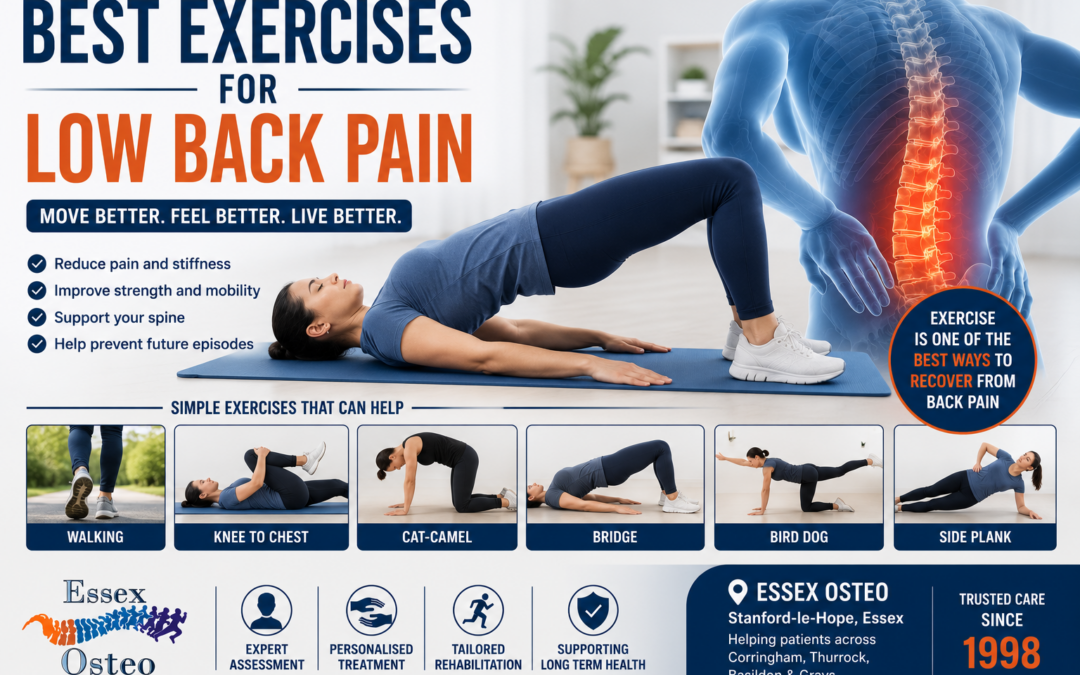
Best Exercises for Low Back Pain
Evidence-Based Exercises to Reduce Pain, Improve Strength and Help Prevent Future Back Problems
If you’re experiencing low back pain, you may be wondering whether you should rest or keep moving. Years ago, prolonged bed rest was often recommended, but research now shows that staying active and performing appropriate exercises is one of the most effective ways to recover from most types of mechanical low back pain.
The key is choosing the right exercises at the right stage of your recovery.
At Essex Osteo in Stanford-le-Hope, we combine hands-on osteopathic treatment with personalised rehabilitation programmes to help patients reduce pain, improve movement and prevent future episodes.
Should You Exercise With Low Back Pain?
For most people, the answer is yes.
Remaining active helps:
- Reduce stiffness
- Improve blood flow to healing tissues
- Maintain muscle strength
- Improve spinal mobility
- Reduce fear of movement
- Speed up recovery
The aim isn’t to “push through pain,” but to keep moving within comfortable limits and gradually increase activity.
Why Exercise Matters
Your spine is designed to move.
The muscles around your back, abdomen, hips and pelvis work together to support your spine during everyday activities such as walking, lifting, bending and reaching.
When pain develops, these muscles often become weaker, tighter or less coordinated. Targeted exercises help restore normal movement and improve confidence.
Before You Start
Stop exercising and seek professional advice if you experience:
- Increasing leg weakness
- Loss of bladder or bowel control
- Numbness around the groin or saddle area
- Severe pain following significant trauma
- Unexplained weight loss or fever
If you’re unsure which exercises are appropriate, a professional assessment can help identify the underlying cause of your symptoms.
The Best Exercises for Low Back Pain
1. Walking

Walking is one of the safest and most effective exercises for many people with low back pain.
Benefits
- Improves circulation
- Reduces stiffness
- Encourages natural spinal movement
- Maintains cardiovascular fitness
Aim for 10–30 minutes daily, increasing gradually as symptoms allow.
2. Pelvic Tilts

This gentle exercise helps improve movement through the lower back.
How to perform
- Lie on your back with knees bent.
- Gently flatten your lower back into the floor.
- Tilt your pelvis backwards.
- Relax.
- Repeat 10–15 times.
3. Knee-to-Chest Stretch
:max_bytes(150000):strip_icc()/GettyImages-668296954-5e96103d62e04a08a0cfaaa039c2bf26.jpg)
Helps improve flexibility in the lower back and hips.
How to perform
- Lie on your back.
- Bring one knee towards your chest.
- Hold for 20–30 seconds.
- Repeat on both sides.
4. Cat-Camel Mobility Exercise
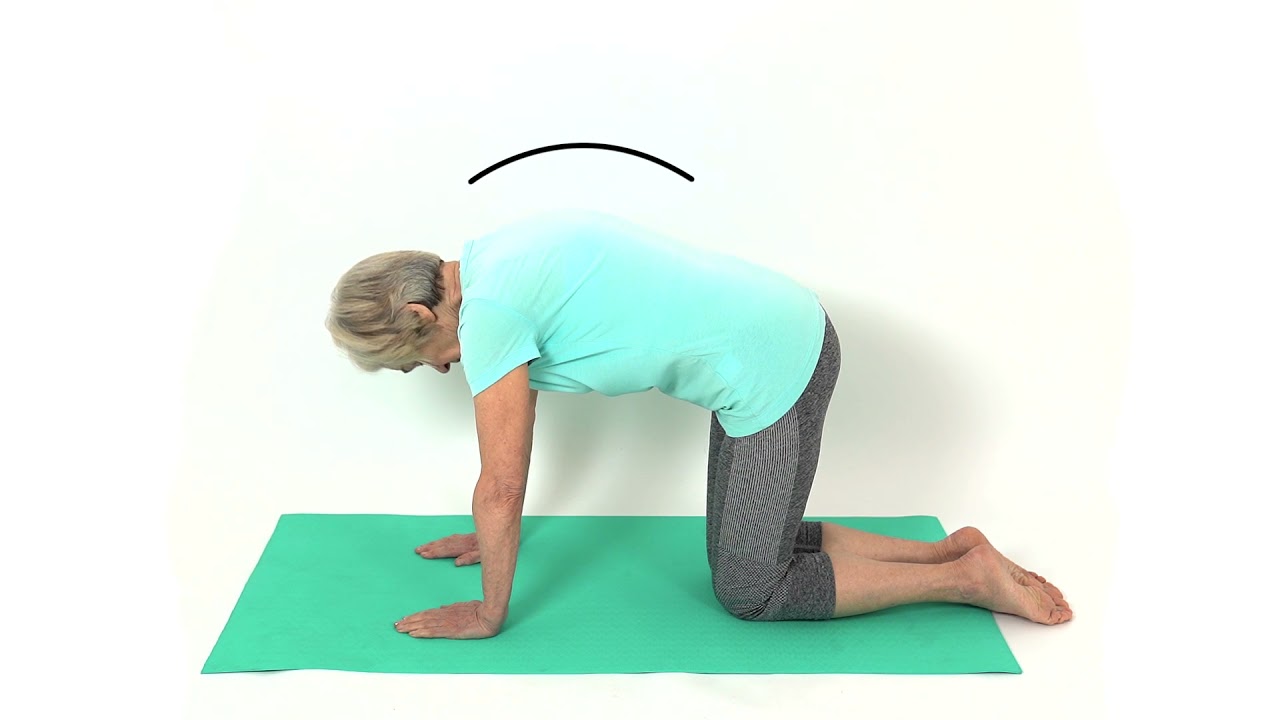
Excellent for improving spinal mobility.
How to perform
- Position yourself on hands and knees.
- Slowly arch your back upwards.
- Then gently lower your spine into a comfortable hollow position.
- Repeat 10–15 times.
Move smoothly without forcing the movement.
5. Bridge Exercise

Strengthens the gluteal muscles, which help support the lower back.
How to perform
- Lie on your back.
- Bend your knees.
- Tighten your buttocks.
- Lift your hips until your body forms a straight line.
- Hold for five seconds.
- Lower slowly.
Repeat 10–15 times.
6. Bird Dog Exercise

Improves spinal stability and coordination.
How to perform
- Begin on hands and knees.
- Extend one arm forwards.
- Extend the opposite leg backwards.
- Hold for five seconds.
- Return slowly.
- Repeat on both sides.
7. Side Plank
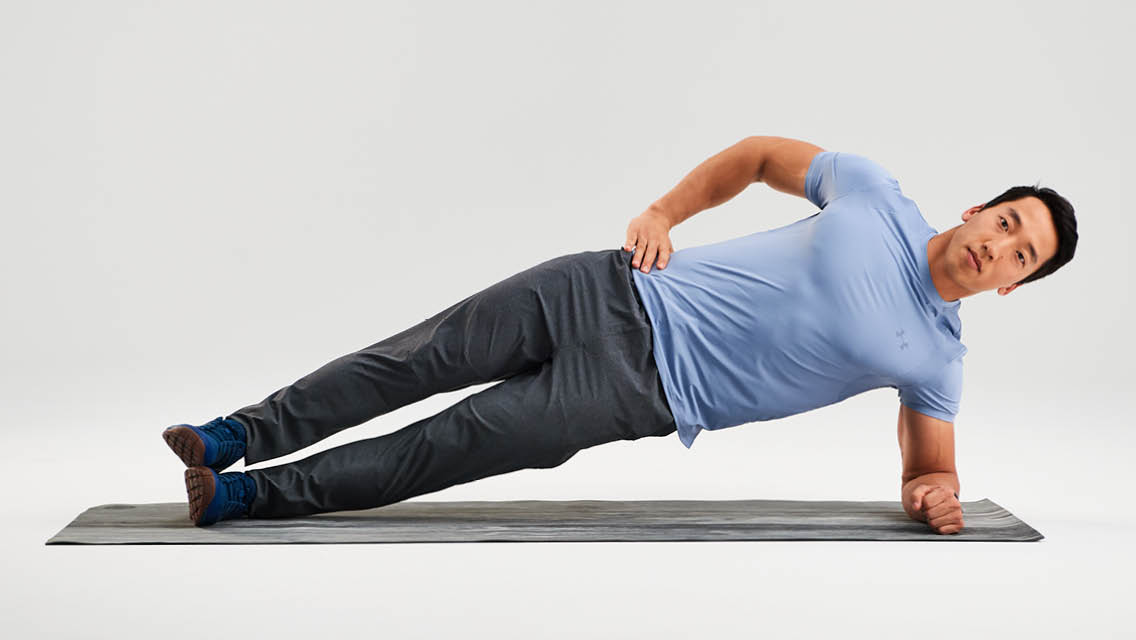
Strengthens the muscles supporting the spine and pelvis.
Begin with knees bent if necessary before progressing to full side planks.
Hold for 10–30 seconds.
Repeat 3–5 times.
8. Hip Flexor Stretch

Tight hip flexors can contribute to increased stress on the lower back.
Hold each stretch for 30 seconds.
Repeat 2–3 times.
9. Hamstring Stretch
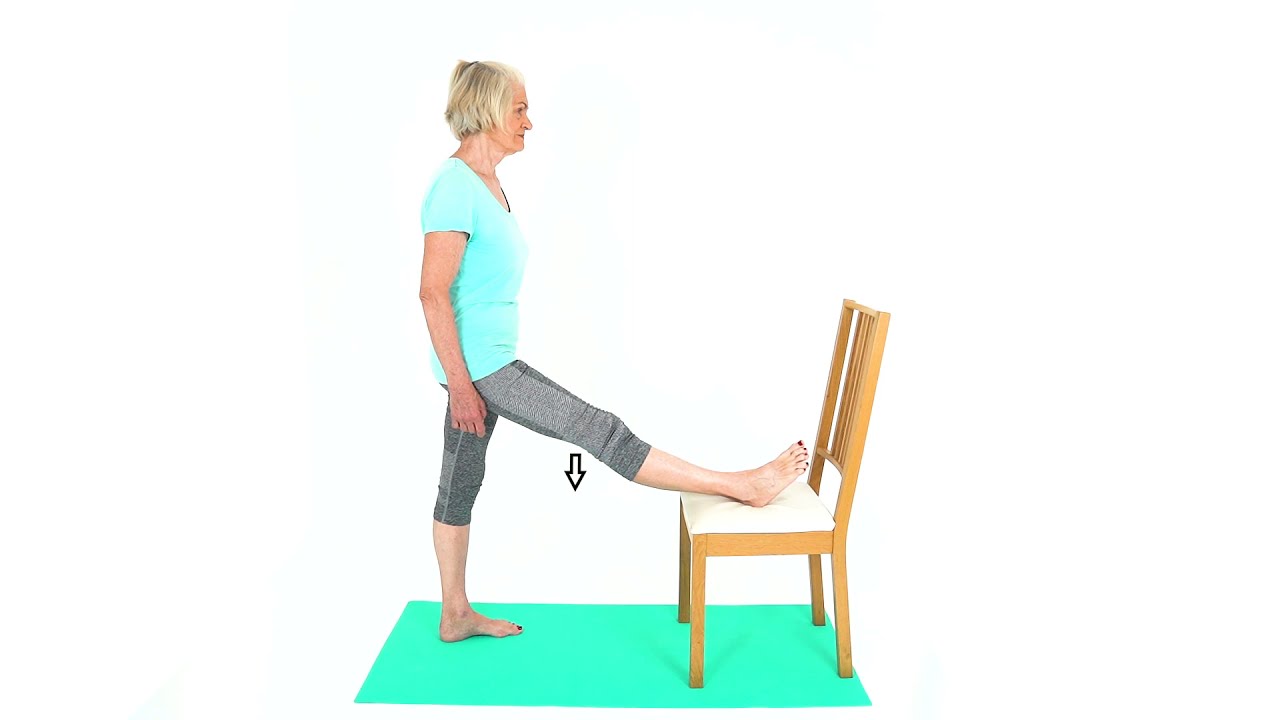
Tight hamstrings may limit movement and increase strain on the lower back.
Stretch gently without bouncing.
10. Core Strengthening
The abdominal muscles help support spinal movement.
Examples include:
- Dead bugs
- Modified planks
- Heel slides
- Abdominal bracing
Quality of movement is more important than intensity.
Should You Stretch or Strengthen?
The answer is usually both.
Successful rehabilitation typically includes:
- Mobility exercises
- Stretching
- Strengthening
- Balance training
- Functional exercises
- Walking
A balanced programme is more effective than focusing on just one area.
Exercises to Avoid
Some exercises may temporarily aggravate symptoms depending on the cause of your pain.
These might include:
- Heavy lifting
- Repeated twisting
- High-impact jumping
- Deep loaded squats
- Exercises that significantly increase leg pain
Your rehabilitation programme should always be individualised.
How Often Should You Exercise?
For most people:
- Gentle mobility exercises: daily
- Walking: daily
- Strengthening: 2–4 times weekly
- Stretching: daily or after exercise
Consistency is far more important than intensity.
When Should I Seek Professional Help?
Arrange an assessment if:
- Pain lasts longer than two weeks.
- Symptoms are worsening.
- Pain travels below the knee.
- You experience numbness or tingling.
- You’re unsure which exercises are appropriate.
Early assessment often leads to faster recovery.
How Can Essex Osteo Help?
At Essex Osteo, we don’t simply provide a sheet of generic exercises.
Every rehabilitation programme is individually designed following a comprehensive assessment.
Treatment may include:
- Osteopathic manual therapy
- Joint mobilisation
- Soft tissue techniques
- Dry needling (where appropriate)
- Progressive rehabilitation
- Advice for work, sport and everyday activities
Our aim is to reduce pain, improve movement and help prevent future episodes of back pain.
Why Choose Essex Osteo?
Established in 1998, Essex Osteo has helped thousands of patients across Stanford-le-Hope, Corringham, Thurrock, Basildon and Grays recover from back pain and return to the activities they enjoy.
Ben Calvert-Painter is a Registered Osteopath, NHS MSK First Contact Practitioner, clinical educator and international lecturer with over 25 years of clinical experience in treating musculoskeletal conditions.
Continue Reading
Exercises are only one part of managing low back pain.
To learn more about spinal anatomy, common causes of back pain, slipped discs, sciatica and evidence-based treatment options, visit our Complete Guide to Low Back Pain.
You may also find these articles helpful:
- What Causes Low Back Pain?
- Mechanical Low Back Pain Explained
- Sciatica: Causes, Symptoms and Treatment
- Slipped Disc or Herniated Disc – What Does It Mean?
- How Osteopathy Helps Low Back Pain
Frequently Asked Questions
Is walking the best exercise for low back pain?
Walking is one of the safest and most effective exercises for many people with mechanical low back pain because it keeps you moving without placing excessive strain on the spine.
Should I stop exercising if my back hurts?
Not usually. Gentle movement is often beneficial, but exercises should not cause severe or worsening pain. If they do, seek professional advice.
Can strengthening exercises prevent future back pain?
Yes. Improving the strength and endurance of your core, hips and back muscles can reduce the risk of recurring episodes.
How long does it take to improve?
Many people notice improvements within a few weeks when they remain active and follow a consistent rehabilitation programme, although recovery varies from person to person.
Book an Assessment
If low back pain is limiting your work, sport or everyday life, Essex Osteo can help. We provide comprehensive assessments, evidence-based treatment and personalised rehabilitation programmes to help you recover, move with confidence and stay active.
Essex Osteo – Helping people move better, feel better and live better since 1998.